Ethics and
the streets
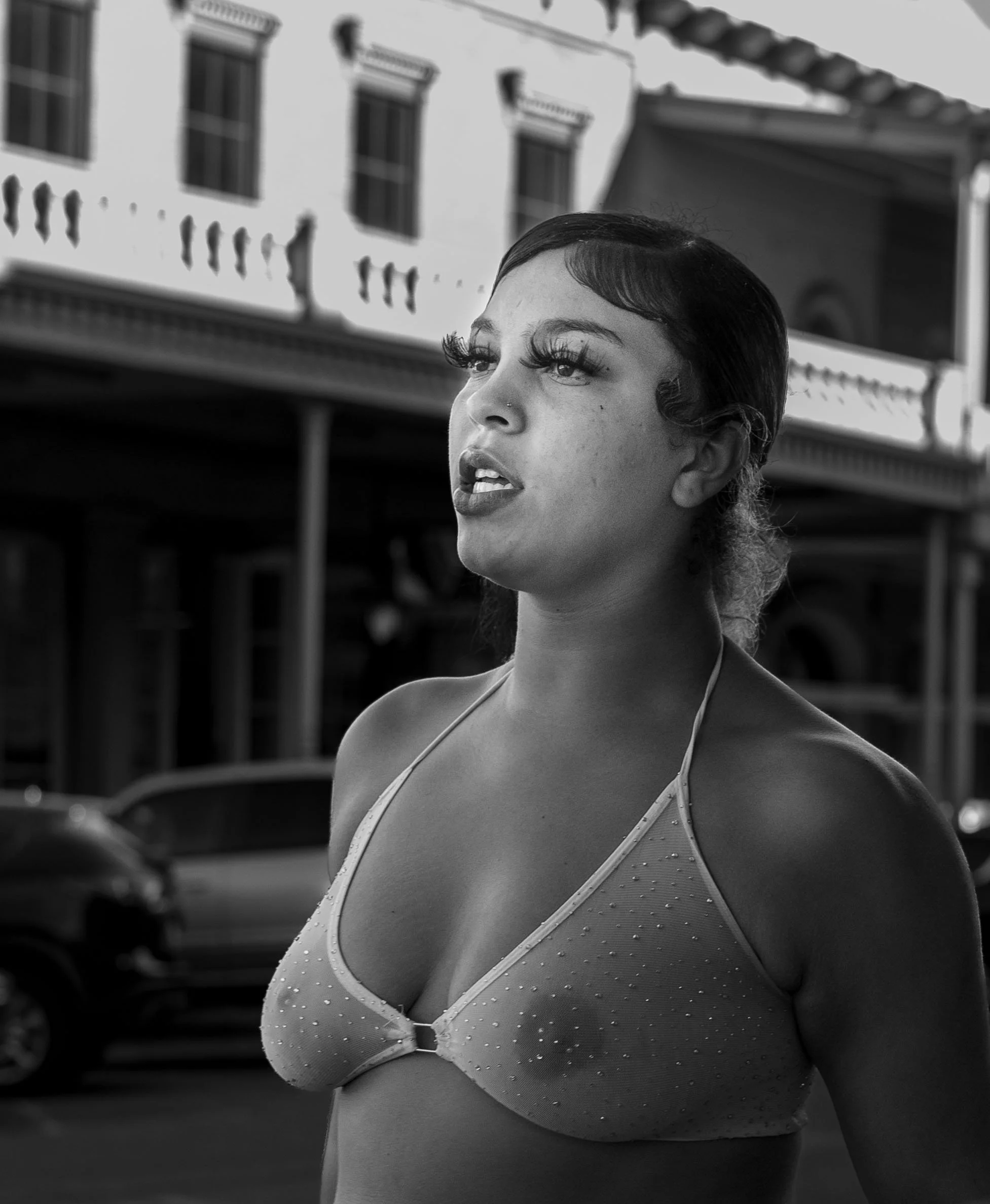
Ethics in street photography related to privacy is a difficult question. Ethics in photography can be a very broad question. The scope of this discussion is narrowed to privacy and taking photographs not how they are processed. One of the issues is major ethical theories conflict over “right and wrong”. There are numerous major philosophical views of ethics and morality. There’s no universally accepted method to decide which framework is “correct.” So, what is left can be conflict between the photographer’s artistic vision based on their own moral compass and the viewer’s biases they project onto the photograph.
Some people uphold there should be limits to what and how photographs are taken in public. For example, prohibiting photographing children, the unhoused, mentally ill, various types of victims (accidents, disasters, etc.), or handicapped as unethical or disrespectful. Some dislike the notion of candid photography when asking for a person’s permission to be photographed is avoided. Photographs are a person's perspective of their world and should not be limited if the photograph is taken within the boundaries of the law. However, any photograph should be open to subjective criticism of what and how it represents the photographer's vision. Social change can and has occurred for marginalized groups because of powerful (often disturbing) photographs, but only when narratives and context for what was being photographed is provided by the photographer. Photographs alone of marginalized groups usually become exploitative, and likely should be avoided.
Viewers often want an explanation why or what was the photographer’s intention for a given frame. Respected photographer Bill Eggleston commended:
“A picture is what it is, and I have never noticed that it helps to talk about them, much less volunteer information in words. It wouldn't make sense to explain them. Kinda diminish them. People always want to know when something was taken, where it was taken and God knows why it was taken."
My response to someone asking what my intention about a given photograph is usually not very satisfying: “It is whatever you want it to be.” Viewing art is as uniquely an experience for the viewer as it is for the creator. When photographs are provided with a narrative by their creator, it loads a bias into the viewer and pollutes the photograph. Viewers bring their experiences into their perceptions of the art, and what the creator intended can be irrelevant, if the viewer’s bias is strong. Good street photography can tell a story, create emotion, create questions and hopefully may challenge the viewer to think about the world differently.
During a discussion about a given picture, a person may accept that it is legal, but they feel the frame is unethical, or disrespectful, and that law doesn’t “make the photo right.” The law does matter. A society cannot be governed by random individual perceptions of morality or ethics. There are laws in part to create behavioral boundaries. Often when people object to a picture (or any art) they are projecting their own bias onto it. Their objection often says more about their perceptions than the photographer’s work.
All subjects are potentially photographic. However, not all ways photographers act are acceptable. For example, some despise how famous street photographer Bruce Gliden works. He typically steps directly before a subject on a crowded New York street and fires a flash from around three feet. While legal, his style often creates visible stress and avoidance of his subjects. When questioned about the ethics of his style, he states, “I have no ethics.” Iconic street photographer Joel Meyerowitz's view of Gliden is: “He’s a fucking bully. I despise the work, I despise the attitude, he’s an aggressive bully, and all the pictures look alike because he only has one idea – ‘I’m gonna embarrass you, I’m going to humiliate you.’ I’m sorry, but no.” Ultimately, photographers are responsible for their own behavior and due to the nature of street photography should expect to be questioned about it.
Being respectful of the subject and situation should be a primary consideration, when challenged about taking photographs without permission. Incidents should involve a civil discussion about personal rights in public. These are opportunities to educate rather than callously enforce legal rights. There are too many other opportunities for photographs for a photographer to “plant a flag” over one frame. Deleting a frame is always a consideration upon request. A more peaceful resolution than ending an encounter with animosity is always prefer.
A picture is just recording a moment of public life that any eye can see. However, it is more. Perhaps the more important question is not if a photograph should be taken, but how the photographer presents it. Striving to be ethical and being mindful of the situation and how it might be perceived are good consideration and will vary depending on the photographer. Striving to be genuine, and honest in intentions is usually the better way.