Street Photography is important, unapologetically Real and irreplaceable
“To me, photography is an art of observation. It’s about finding something interesting in an ordinary place…I’ve found it has little to do with the things you see and everything to do with the way you see them.” – Elliott Erwitt
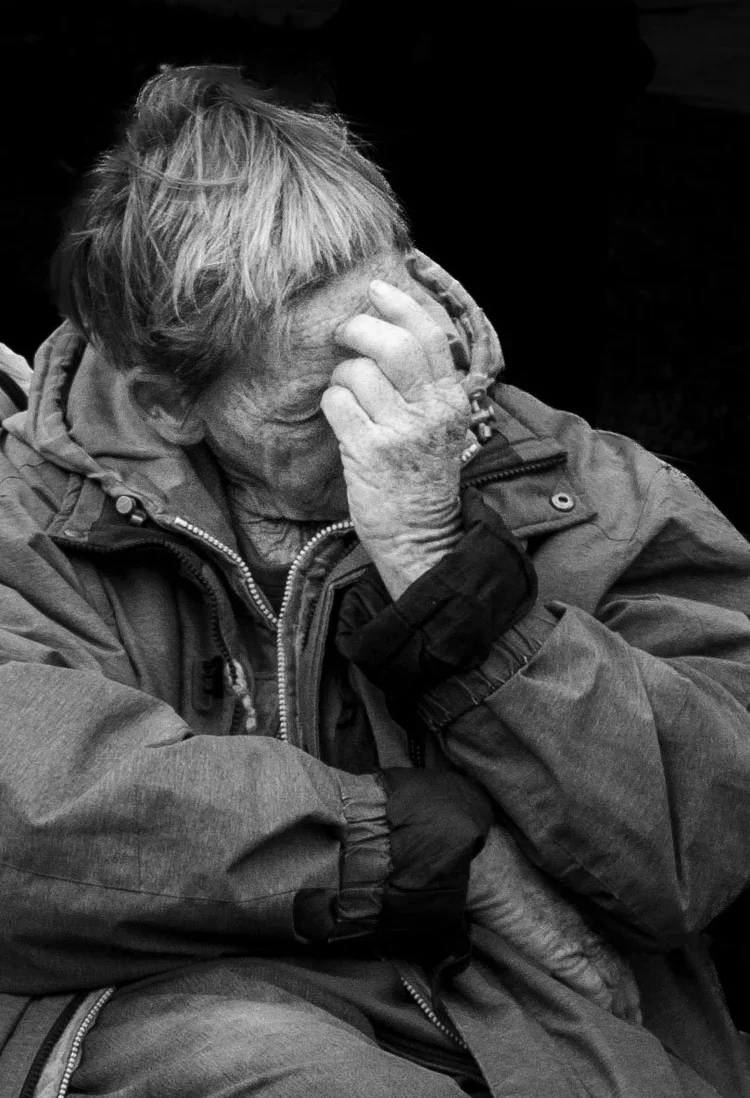
Street photography is one of the oldest and most vital forms of visual art. Since the invention of portable cameras in the late nineteenth century, photographers have taken to sidewalks, markets, subways, and alleyways to capture life as it actually unfolds — unscripted, unposed, and unapologetically real. In an age of curated social media feeds and heavily filtered images, street photography stands apart as a practice devoted to honesty. Its importance reaches across art, history, culture, and politics.
Street photography is, at its core, a historical record. The images of Dorothea Lange, Henri Cartier-Bresson, Vivian Maier, and Garry Winogrand do not merely document the cities they walked through — they preserve the essence of entire eras. We know what it felt like to stand in a Depression-era breadline, to drift through postwar Paris, to mach for civil rights or to ride the New York City subway in the 1970s partly because photographers were there, camera in hand, paying attention. No written account can replicate the immediate, visceral truth of a well-composed photograph. These images become the visual memory of civilization, safeguarding moments that would otherwise dissolve into the past without a trace.
Beyond history, street photography forces us to truly see the world we walk through every day. And perhaps more importantly from a different perspective, that of the photographer. Most people move through public spaces in a kind of distracted autopilot, eyes on their phones, minds elsewhere. The street photographer must do the opposite — slow down, stay present, and remain alert to light, shadow, gesture, and coincidence. This discipline of sustained attention is itself a kind of gift. It trains the eye to find beauty and meaning in the mundane: the way afternoon sun falls across a fire escape, the instinctive kindness of a stranger helping someone who has dropped their groceries, the private grief visible on a face in a crowd. Street photography insists that ordinary life is worth looking at.
It also performs an indispensable social function: holding public life accountable. Street photographers have documented civil rights marches, police brutality, poverty in wealthy cities, and the quiet dignity of communities that mainstream media ignores. Unlike photojournalism, which is often tied to institutional and editorial agendas, street photography is driven by individual curiosity and conscience. A single photographer walking a neighborhood with no assignment and no deadline can produce images that challenge power, correct misconceptions, and humanize people who might otherwise be reduced to statistics. In democratic societies, the freedom to photograph in public spaces is not merely an artistic liberty — it is a check on authority and a tool of transparency.
Street photography also celebrates the radical diversity of human experience. A city block can contain multitudes: different ages, classes, ethnicities, religions, and ways of moving through the world, all occupying the same few square feet of pavement. The street photographer who works honestly and with genuine curiosity produces a body of work that reflects this plurality without disrespecting it. Unlike advertising or fashion photography, which tends to present narrow, idealized visions of humanity, street photography embraces the crooked, the weathered, the joyful, the tired, and the strange. It is a democratic art form in the deepest sense — it finds every face worth photographing.
There is something philosophically significant about the ethical challenge street photography poses. It raises difficult questions about privacy, consent, and the nature of public space. When does documentation become intrusion? What does a photographer owe the people they photograph? These are not questions with easy answers, and that is precisely the point. Street photography forces both practitioners and viewers to grapple with the tension between the public's right to be documented and the individual's right to dignity. Engaging with these tensions seriously makes us more thoughtful citizens, more careful about how images are made and used.
In a world increasingly shaped by algorithmic content designed to flatter and addict, street photography offers something rarer and more necessary: an unpainted encounter with reality. It asks us to look at the world without enhancement, without filters, without the comfort of a script. It reminds us that the streets we walk every day are full of stories, full of beauty, full of urgency — if only we have the patience to stop and see them. For that reason alone, street photography is not just important. It is irreplaceable.